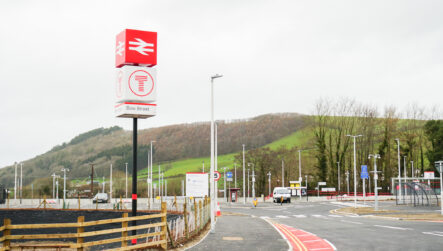
Revving Up Reliability: Sypro Powers the Holyhead Wheel Lathe Upgrade



Sypro in the driving seat
We partnered with Balfour Beatty to support the contract management of the Holyhead Wheel Lathe Project – a transformative initiative to deliver a £10.5 million automatic wheel lathe facility at Holyhead depot in partnership with Transport for Wales, supporting the delivery of Network North Wales. With Sypro’s platform steering contract control, the team achieved precision, clarity and collaboration throughout the coordination of works for this vital rail infrastructure investment.
A regional game-changer on track
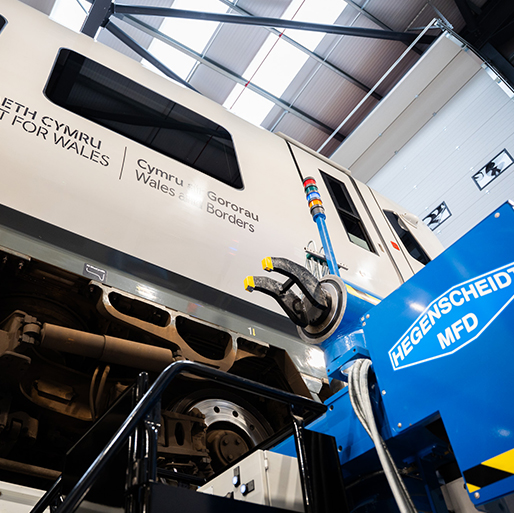
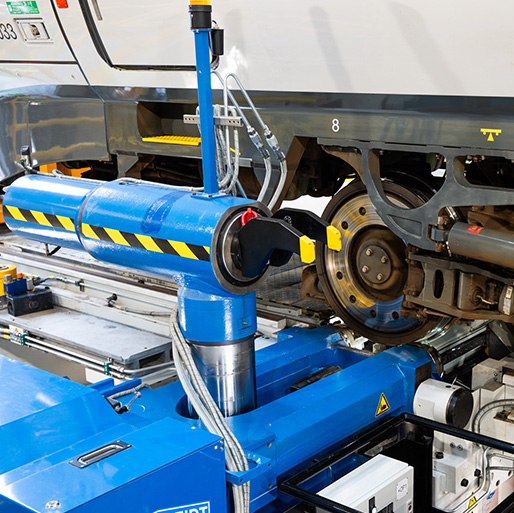
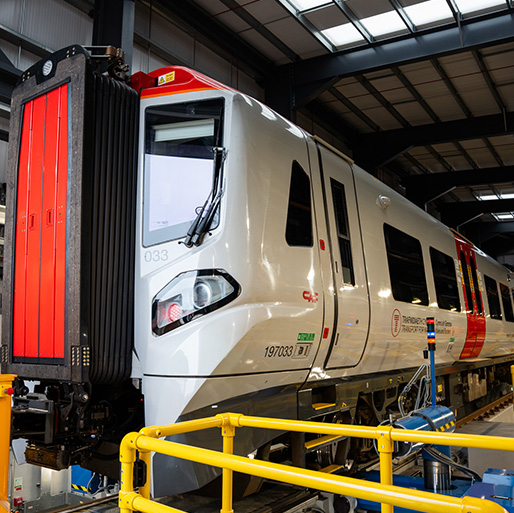
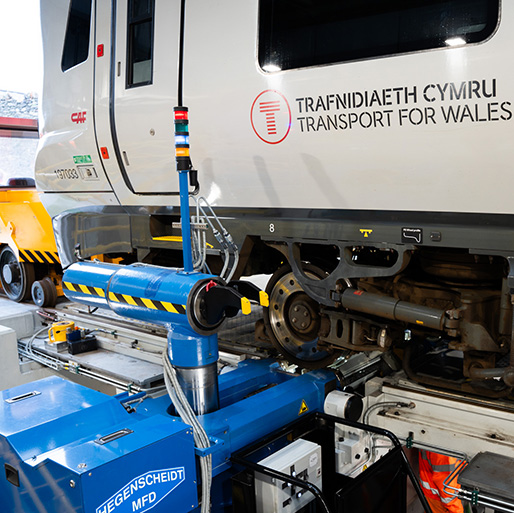
Holyhead depot’s new wheel lathe facility is a crucial investment for North Wales rail operations. The installation aims to dramatically boost train availability, eliminate subcontracting costs and reduce service disruptions across the region.
Key project components
- Piling and structural works to house the lathe
- Integration of an automatic lathe manufactured in Germany
- Infrastructure coordination in a live rail operational environment
- Direct collaboration with Transport for Wales on funding and planning
How Sypro Supported NEC Delivery
Sypro’s contract management platform provided robust oversight at every phase, reinforcing Balfour Beatty’s delivery in a high-stakes rail setting:
- Dynamic milestone tracking and workflow compliance
- Transparent change order and financial audit trails
- Efficient approvals aligned with Transport for Wales standards
- Real-time programme visibility, safeguarding schedule integrity
Handling procurement, cost control and approvals within Sypro ensured that each stage – from piling to installation – was managed methodically and auditable.
Tony Owen, Senior Programme Manager at Balfour Beatty, said: “Delivering a strategic rail facility within a live operational depot came with high expectations and no margin for error. Sypro’s platform gave us full oversight of change control, approvals and communication without slowing the pace. It provided the structure we needed to keep stakeholders aligned and the programme on track. From early coordination through to final commissioning, Sypro was a critical enabler of smooth delivery.”
Engineering impact with clarity
The Holyhead wheel lathe facility enhances regional resilience by enabling in-house wheel reprofiling, speeding up turnaround times and avoiding delays caused by subcontracting. Sypro helped maintain this impact by ensuring works were coordinated cleanly across multiple stakeholders, keeping the depot operational throughout complex construction phases.
Sypro’s NEC contract management system proved essential in maintaining tight programme control, contract clarity and communication among stakeholders, enabling 592 communications between 21 client users and 18 contractor users. The refurbishment needed to work around a live operational schedule, with key public areas remaining open throughout.
- Early warnings: 182
- Ambiguities and inconsistencies: 103
- Acceptances: 96
Strengthening Wales’ rail core
Sypro’s structured contract admin supported the seamless progression of a high‑value infrastructure programme in a live, operational rail environment.
Andrew Dix, Head of Commercial Infrastructure at Transport for Wales, commented: “The Holyhead Wheel Lathe Project is a major step forward in improving fleet resilience and reducing turnaround delays. Working alongside Balfour Beatty, we needed absolute clarity on funding, timelines and decision-making. Sypro helped bring that clarity, ensuring we could manage complexity without compromising service continuity. It’s a great example of how technology can support smarter infrastructure delivery.”
Get started now with Sypro